
How Soon New Pavers Can Be Sealed (and Why the Wait Matters)
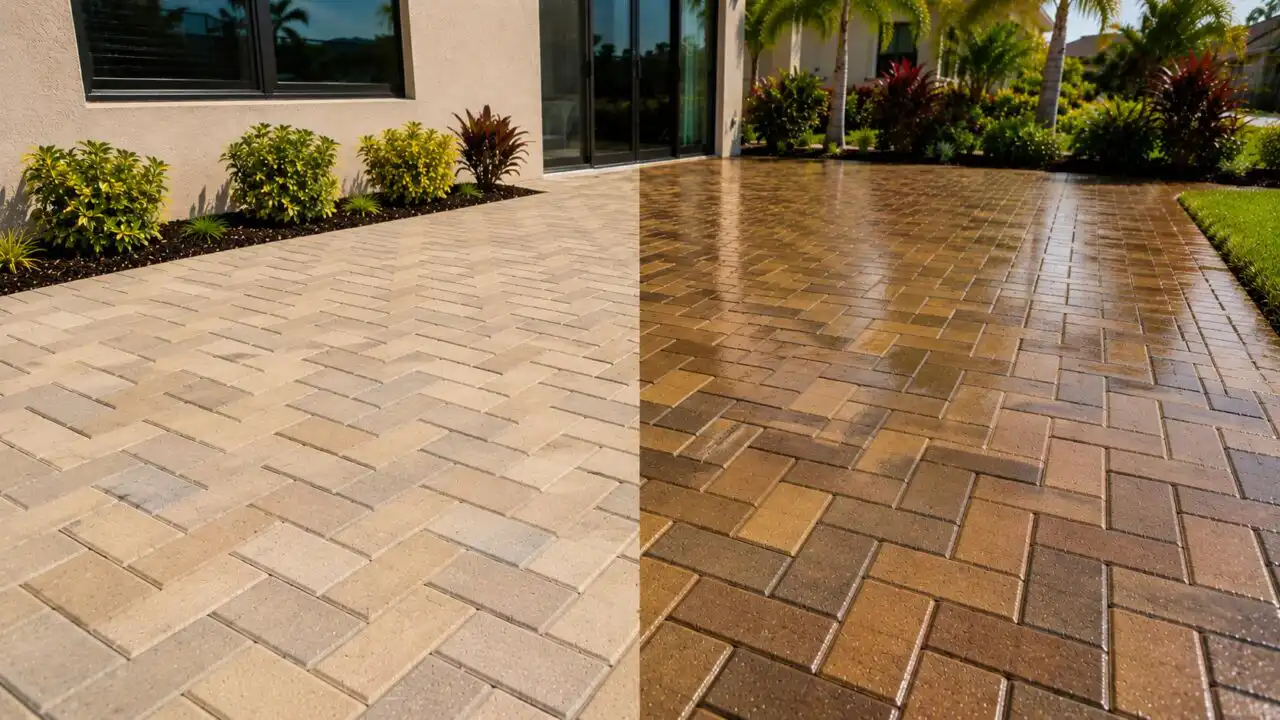
New pavers look their best the day they are installed, so it is tempting to seal them right away and lock in that fresh look. But sealing too soon is one of the most common and costly mistakes a homeowner can make. Knowing when to seal new pavers, and why the wait matters, is what protects them for the long run.
The short version is that new pavers need time to breathe before they are sealed. Here is what is happening beneath the surface, how long you should really wait, and how to know when they are finally ready.
When to Seal New Pavers
As a rule, newly installed pavers should wait at least one month before their first seal, and often a little longer. Pavers are made from concrete, and fresh concrete needs time to release the minerals and moisture trapped inside it as it cures. That process is called efflorescence, and it has to work its way out before you cover it with a layer of sealer.
The wait is not arbitrary. As the pavers cure, water moving through them carries dissolved minerals toward the surface, and when that moisture evaporates it leaves behind the fine white deposit you sometimes see on new hardscape. Give the pavers a month or more and the bulk of that process finishes at the surface, where it can be cleaned off before sealing instead of being trapped underneath. Larger installations and shaded areas that dry slowly can take even longer, so a month is the minimum rather than a hard finish line.
At Wet Seal Paver Solutions, our team has spent years protecting paver surfaces across the Tampa Bay area.
What Happens If You Seal Too Early
Seal new pavers before they have released those minerals and you lock the moisture in. The most common result is a white, chalky haze that appears under or on top of the sealer, sometimes weeks after the job looked perfect. The finish can also turn blotchy or cloudy as trapped moisture tries to escape and has nowhere to go.
Once that haze is sealed in, the only real fix is to strip the sealer and start over, which is expensive and entirely avoidable. This is why a little patience up front saves real money later. The one month wait is not a delay in the project, it is part of doing the job correctly the first time.
How to Tell When New Pavers Are Ready
The calendar is your first guide, but the pavers give clues too. After about a month, any white efflorescence bloom should slow down or stop returning after a cleaning. If a heavy white bloom keeps showing up, the concrete is still releasing minerals and simply needs more time.
During that first month you do not have to leave the pavers unprotected. Keep them swept, rinse them with low pressure water as needed, and avoid harsh chemicals or pressure washing while the efflorescence runs its course. When the timing is uncertain, a professional can assess whether the surface is truly ready before committing to that important first seal.
Keep in mind that newly laid pavers are also still settling during this period. Light foot traffic is fine, but holding off on heavy furniture, vehicles, and big gatherings until after the first seal gives everything time to lock into place. A short wait at the start pays off in a more stable, better looking surface down the road.
Getting the First Seal Right
When the wait is finally over, the first seal is about much more than timing. The joints need the right sand, the surface needs a thorough cleaning, and any remaining efflorescence needs to be treated before sealing. Skip those steps and a new installation can develop the same problems as one that was sealed too early, even if you waited the full month.
The weather matters less than people think. Because the sealer is water based, the pavers can be damp when it goes on, so there is no need to wait for a dry surface or low humidity. We simply avoid sealing during rain, within a couple of hours of expected rain, or below about 50 degrees. That first seal also starts your maintenance clock: after it, most Florida pavers need resealing about every two years to stay protected.
It is also worth thinking about the long game from day one. The products and sand chosen for that first seal, and how thoroughly the surface is prepped, set the baseline for how well every future reseal performs. A first seal done properly makes the pavers easier to maintain for years, while a rushed one can leave you fighting haze and uneven color long after the installers have gone.
Why a Professional First Seal Pays Off
The first seal sets the tone for the entire life of your pavers. Getting the timing, the prep, and the products right from the start prevents haze, protects the color, and locks the joints in place so the pavers stay stable for years. Rushing it to save a few weeks is the kind of shortcut that leads straight to a costly redo.
That is exactly why it is important to hire a professional for that first job rather than guessing at the timing, and it is the kind of work our paver sealing service gets right. Just had new pavers installed? Call us at 813-809-4440 or request a free estimate and we will help you plan the perfect first seal.