
The Wrong Time to Seal Pavers: Weather Rules That Make or Break the Job
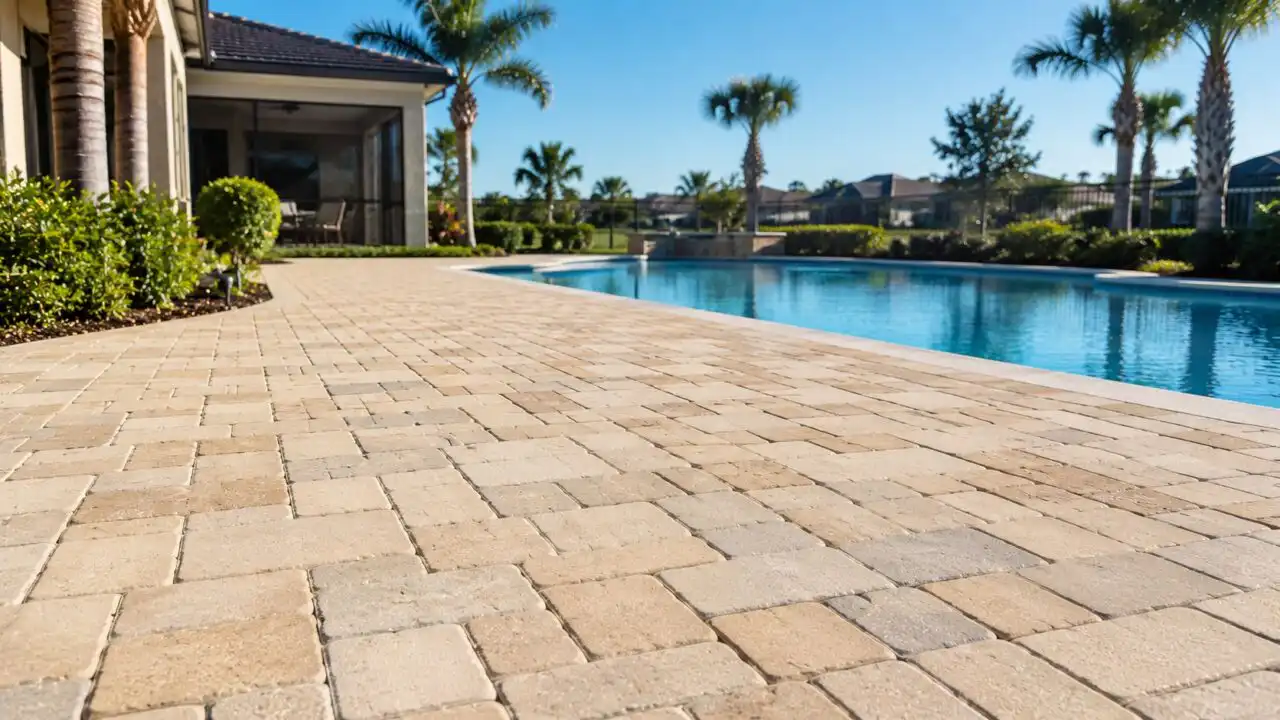
Paver sealing is as much about timing as it is about technique. You can buy the best sealer on the market, but if it goes down at the wrong moment it can cloud, peel, or fail within weeks. Knowing the best time to seal pavers, and the times you should never do it, is what protects both the work and your investment.
Florida makes this trickier than most states. Our heat, humidity, and daily summer storms leave a narrow window of good conditions, and reading that window correctly is part of the job. Here is what actually determines whether sealing day is a good idea.
The Best Time to Seal Pavers
The ideal conditions for sealing are mild and stable, with no rain on the way for the next few hours. The temperature should be comfortable and the forecast should be clear for the rest of the day. One myth worth clearing up: the pavers themselves do not need to be bone dry, because our water based sealer can go on while the pavers are damp and the joints are wet. What we are timing around is rain, not surface moisture. In Florida that often means late fall through spring, or a stable dry stretch in the morning before the afternoon storms build.
Florida really gives you two sealing seasons. The drier months are the easiest to schedule, with stable conditions and few surprises. The summer rainy season is not off limits, but it takes more planning, watching the radar, and often starting early in the day. Before we ever open a bucket of sealer, we check the forecast a day or two out and confirm no rain is expected for the next few hours. Getting that timing right is what lets the sealer set evenly instead of leaving a patchy, uneven finish.
At Wet Seal Paver Solutions, our team has spent years protecting paver surfaces across the Tampa Bay area.
Why You Should Never Seal in the Rain
Water is the enemy of fresh sealer. Sealing during rain, or within about two hours of expected rain, soaks into the fresh sealer and stops it from setting properly. The result is usually a cloudy white haze, dull blotches where water was trapped, or sealer that lifts and peels weeks later. Once the sealer has had about two hours to set, though, light rain, dew, and humidity no longer affect it, so we are really only protecting that short window. This is by far the most common reason a sealing job fails early, and it is completely avoidable with the right scheduling.
When the timing goes wrong, the damage shows up fast and the only real fix is to strip the failed sealer and start over, which costs far more than simply waiting for a better day. During our rainy season that sometimes means moving a job back a day to dodge a storm, and it is always worth the wait to protect the finish.
Temperature and Humidity Still Matter
Rain is not the only condition to watch. Sealing when temperatures drop below about 50 degrees keeps the sealer from curing correctly and can leave a soft or uneven finish. Florida does not get cold often, but winter mornings dip lower than people expect, so the time of day you start can matter as much as the date on the calendar.
Humidity and overnight dew, on the other hand, are not the problem people assume. Because our sealer is water based, damp pavers and wet joints are completely fine to seal over, and after that short setting window the dew and humidity will not hurt the finish. There is no need to wait for a bone dry surface or a low humidity day; the temperature and the rain forecast are what we actually plan around.
New Pavers and the Resealing Window
If your pavers were recently installed, the calendar matters before the weather does. New pavers are made from concrete and need at least a month to release their minerals before they are sealed, or you risk locking a white haze under the finish. Once they are ready, that first seal still has to land in a good weather window to cure correctly.
From there, timing becomes part of your long term maintenance. Most Florida pavers need resealing about every two years, and you want to hit that window during good conditions rather than forcing it in the middle of the wet season. Planning each job around the right stretch of weather is a simple step that makes the seal last its full life.
It also helps to remember that the window is really about rain, not surface moisture. We do not need the pavers bone dry or the humidity low, we just need a clear couple of hours so the water based sealer can set without a storm rolling through. A little patience with the forecast protects the look and the life of the seal far more than most homeowners expect.
Leave the Timing to a Professional
Reading Florida weather windows, knowing the sealer can go down on damp pavers, and planning around the rainy season is not guesswork, it is experience earned over hundreds of jobs. We schedule every job around the conditions that give the sealer its best chance to cure and last, so it is done once and done right. That judgment is exactly why it is important to hire a professional rather than chasing a dry afternoon on your own, and it is the kind of work our paver sealing service brings to every job.
Ready to get your pavers scheduled for the right window? Call us at 813-809-4440 or request a free estimate.