
Your Florida Paver Resealing Timeline: Why Every Two Years Is the Sweet Spot
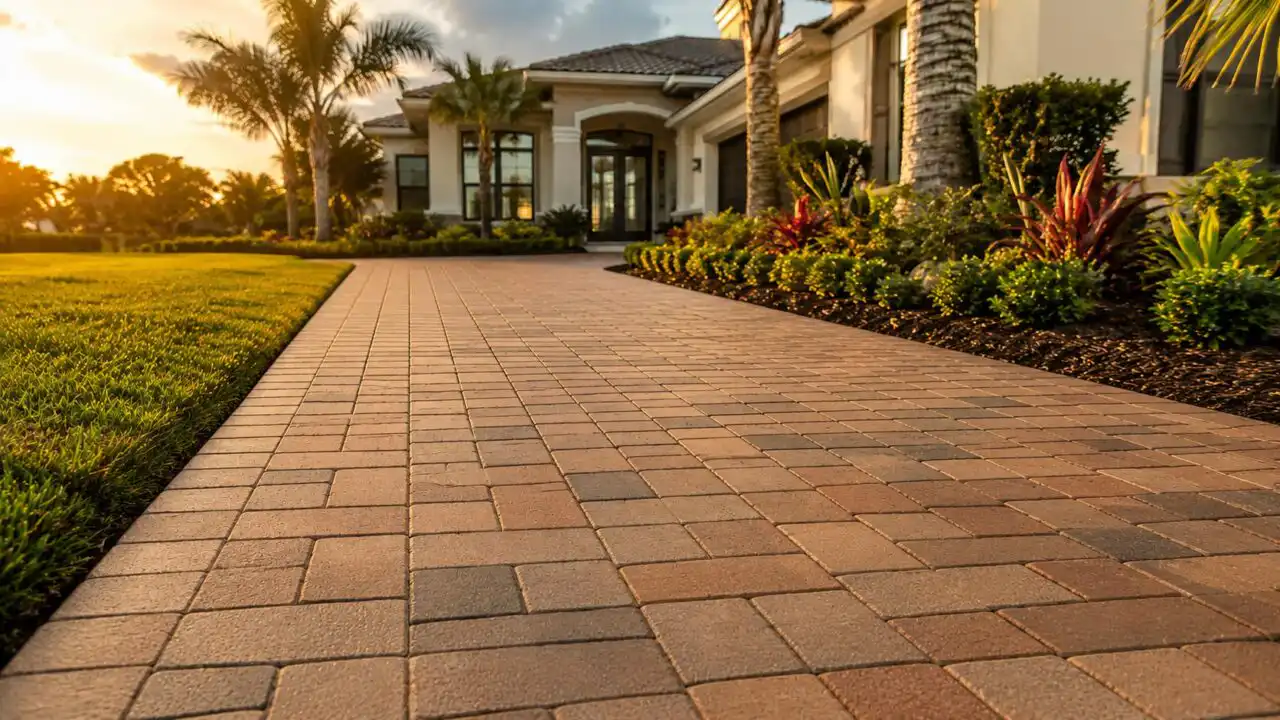
If you have invested in a paver driveway, pool deck, or patio, one question comes up again and again: how often to seal pavers in Florida. For most homeowners around Tampa Bay, the honest answer is about every two years. Florida is one of the harshest environments in the country for outdoor surfaces, and that two year rhythm is what keeps your pavers protected instead of slowly breaking down.
Sealing is not a one time job. It is part of an ongoing maintenance routine, and getting the timing right is what separates pavers that look great for years from ones that fade, shift, and stain. Here is how to think about your resealing schedule and the signs that tell you it is time.
How Often to Seal Pavers in Florida
For most pavers in the Tampa Bay area, plan on resealing roughly every two years. Florida punishes outdoor surfaces in a way few other climates do. Between relentless sun, heavy summer rain, high humidity, and salty coastal air, the protective layer of sealer wears down far faster here than it would up north. The UV exposure alone breaks sealer down quickly, and the long rainy season keeps moisture working against it month after month.
That two year mark is a starting point, not a hard rule. Pavers in full sun or close to the water often need attention a little sooner, while shaded, protected areas can sometimes stretch a bit longer. The goal is always the same: reseal before the protection is fully gone, not after the damage has already set in. A quick look at how your pavers are actually holding up tells you far more than the calendar alone, and it is the kind of judgment that comes from doing this work day in and day out.
At Wet Seal Paver Solutions, our team has spent years protecting paver surfaces across the Tampa Bay area.
What Happens When You Wait Too Long
When the sealer wears off and is not replaced, the problems start small and then snowball. The first thing most homeowners notice is joint sand washing out from between the pavers, which is the clearest early sign the seal has failed. Once that sand is gone, the pavers lose their support and can begin to shift, settle, and rock underfoot.
From there it accelerates. Unprotected pavers fade in the sun, soak up oil and rust stains far more easily, and become an open invitation for weeds, mold, and mildew to take hold in the joints. A job that could have been a simple reseal turns into a much larger restoration, and that is the real cost of waiting. Fortunately, the warning signs are easy to spot: color that looks faded, dull, or chalky, joint sand sitting low or washing away, water that no longer beads on the surface, and green or black patches starting to appear. When you notice a few of these together, your pavers are telling you they are past due.
Timing Matters as Much as Frequency
Knowing when to reseal is only half the picture, because the work also has to be done under the right conditions. The main rule is simple: it should never go down during rain, within a couple of hours of expected rain, or when temperatures dip too low. Because the sealer is water based, the pavers themselves can be damp, so it is the rain we plan around, not surface dryness. That is a big reason a rushed job, sealed right before a storm, can cloud or peel within weeks.
Newly installed pavers are on a different clock entirely. Because they are made from concrete, fresh pavers need time to release their minerals before they can be sealed. Seal them too soon and you trap that process under the surface, which often shows up later as a white haze. As a rule, new installations should wait at least a month before that first seal, then settle into the normal two year rhythm afterward.
Why Sealing on Schedule Protects Your Investment
Sealing is about far more than the shine. A proper seal locks the joint sand in place, shields the pavers from sun bleaching, and keeps water and stains from soaking in. That protection is what holds your hardscape stable and looking new, season after season, and it is far cheaper than repairing pavers that have shifted or stained beyond saving.
Getting it right takes more than good timing, though. It takes the proper joint sand, a sealer formulated for Florida moisture, and full surface preparation before a single coat goes down. Cutting corners on any of those is exactly what leads to early failure and an expensive strip and reseal later. That mix of judgment and preparation is hard to match with a weekend DIY attempt, which is why it is important to hire a professional for the job. It is the kind of work our paver sealing service handles for homeowners across the Tampa Bay area.
Good prep also means a proper cleaning first, the same care that goes into our pressure washing service, so the sealer bonds to a truly clean surface.
Stay Ahead of the Two Year Mark
Knowing how often to seal pavers in Florida really comes down to staying ahead of that two year window and watching for the early signs of wear. Reseal on time and your pavers keep their color, stability, and curb appeal for years. Let it slide and the repairs add up fast.
If it has been about two years since your last service, or you are noticing any of the warning signs above, call us at 813-809-4440 or request a free estimate for a professional assessment and a sealing plan built for Florida conditions.