
Is Paver Sealing Worth It? More Than Just a Shine
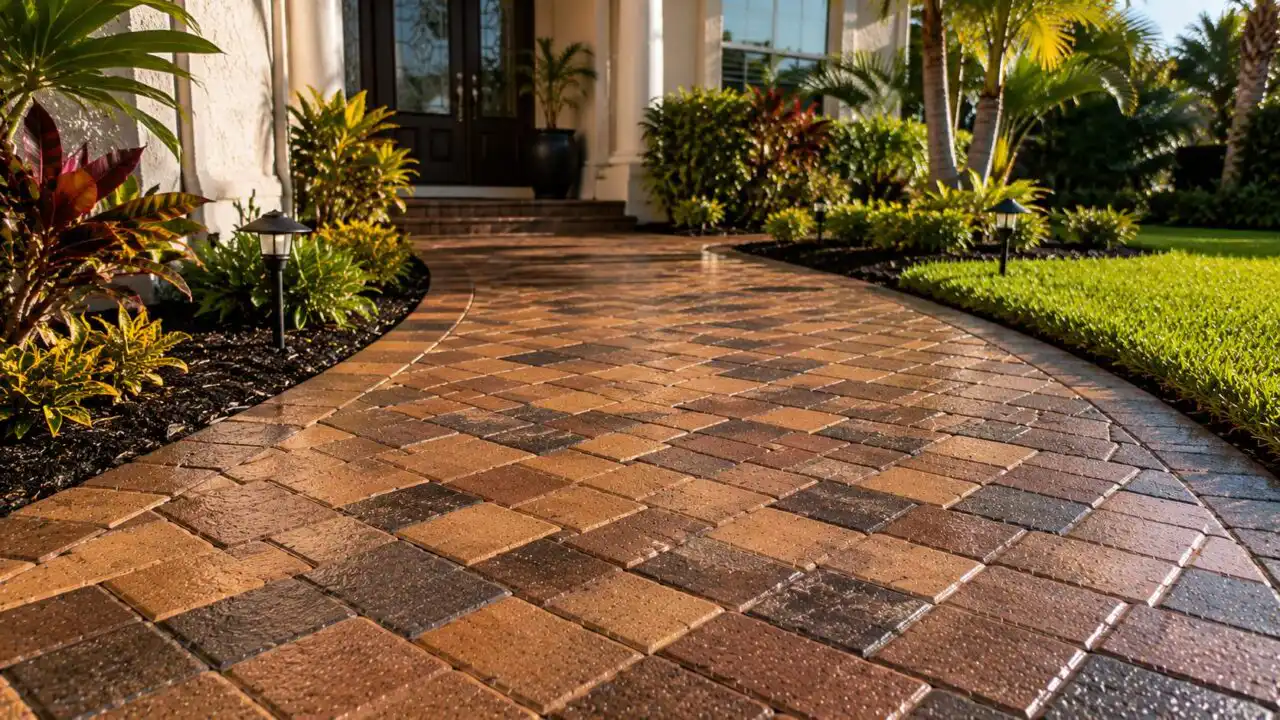
If you are weighing whether to seal your pavers, it is fair to ask: is paver sealing worth it, or is it just for looks? For the vast majority of paver surfaces in Florida, it is well worth it, and the shine is the least important part of the answer.
Sealing is mostly about protection and stability, the kind that quietly saves you money over the life of the pavers. Here is what it actually does and why most homeowners decide it pays for itself.
Is Paver Sealing Worth It?
For most paver surfaces in Florida, yes. Sealing protects a significant investment from a climate that is genuinely hard on outdoor surfaces. Between intense sun, heavy rain, humidity, and salt air near the coast, unsealed pavers fade, stain, and come loose far faster than sealed ones.
The value is in everything sealing prevents. You are trading a periodic maintenance cost for fewer stains, less fading, more stability, and a much longer life out of the pavers you already paid good money to install.
Think of it the way you would think about protecting any other big purchase. You would not leave a wood deck unsealed or skip oil changes on a car, and pavers are no different. A modest, recurring investment protects a far larger one.
It also helps to look at how long pavers are meant to last. A quality paver installation can serve a home for decades, but only if the surface and joints are maintained. Sealing is the single most effective thing you can do to make sure the pavers reach that full lifespan instead of aging out early.
At Wet Seal Paver Solutions, our team has spent years protecting paver surfaces across the Tampa Bay area.
It Keeps Your Pavers Stable
The most underrated benefit is stability. Sealing locks the joint sand in place, and that sand is what keeps pavers from shifting. Once it washes out, pavers loosen, settle unevenly, and can become trip hazards.
Protecting that sand protects the whole installation. Re-sanding and re-leveling pavers later is far more expensive and disruptive than maintaining a sealed surface, so the seal quietly prevents bigger repair bills down the road.
This is especially true around pool decks and driveways, where water runoff and vehicle weight put constant stress on the joints. A sealed surface holds up to that daily wear much better than a bare one.
There is a comfort factor as well. Stable, level pavers with full joints simply feel better underfoot and look tidy, while a surface with shifting stones and washed-out joints feels neglected no matter how nice the pavers themselves are.
It Protects Against Stains and Fading
Sealing also makes pavers far more resistant to the everyday things that ruin them: oil drips, rust, fertilizer, food and drink spills, and organic growth. Spills sit on top of a sealed surface instead of soaking straight in, which buys you time to clean them up before they set.
At the same time, the seal shields the color from the sun, so your pavers hold their rich tones instead of bleaching out. The result is a surface that stays looking new with far less scrubbing and far fewer permanent stains.
Florida’s humidity also makes mold and mildew a constant battle, and a surface treated properly before sealing resists that growth much better. You will still clean occasionally, but the job is easier and the results last longer.
Quick cleanup is a bigger deal than it sounds in a place like Florida, where pollen, rain, and yard debris are constant. Anything that makes the surface easier to keep clean pays you back in time and effort all year long.
The Shine Is a Bonus, Not the Point
Yes, sealing can give your pavers a beautiful finish, from a natural matte to a rich satin sheen. But the look is the bonus on top of the real value, which is protection.
Even a low-sheen matte seal delivers the stain resistance, color protection, and joint stability that matter most. So if you are not a fan of a glossy look, you do not have to sacrifice the protection to avoid it.
That is the key mindset shift: you are not paying for a glossy surface, you are paying for a longer-lasting, lower-maintenance paver surface that happens to look great too. The finish is simply how you want that protection to look.
It is also worth weighing the cost of sealing against the cost of replacement. Re-laying a paver surface is a major expense, while periodic sealing is a small fraction of that. Viewed over the years, sealing is one of the cheaper ways to protect a big-ticket part of your home.
Making Sealing Worth Every Dollar
Sealing is only worth it when it is done right. The wrong sealer or a skipped prep step can lead to a finish that fails early, which turns a smart investment into a frustrating expense.
That is why the real value comes from a professional job with the proper products and process: full cleaning, treatment of stains and organics, the right joint sand, and the correct number of coats.
We make sure your sealing is worth every dollar, handled by our paver sealing service. Wondering whether it is worth it for your pavers? Call us at 813-809-4440 or request a free estimate and we will give you an honest assessment.