
Maintaining Sealed Pavers Between Professional Services
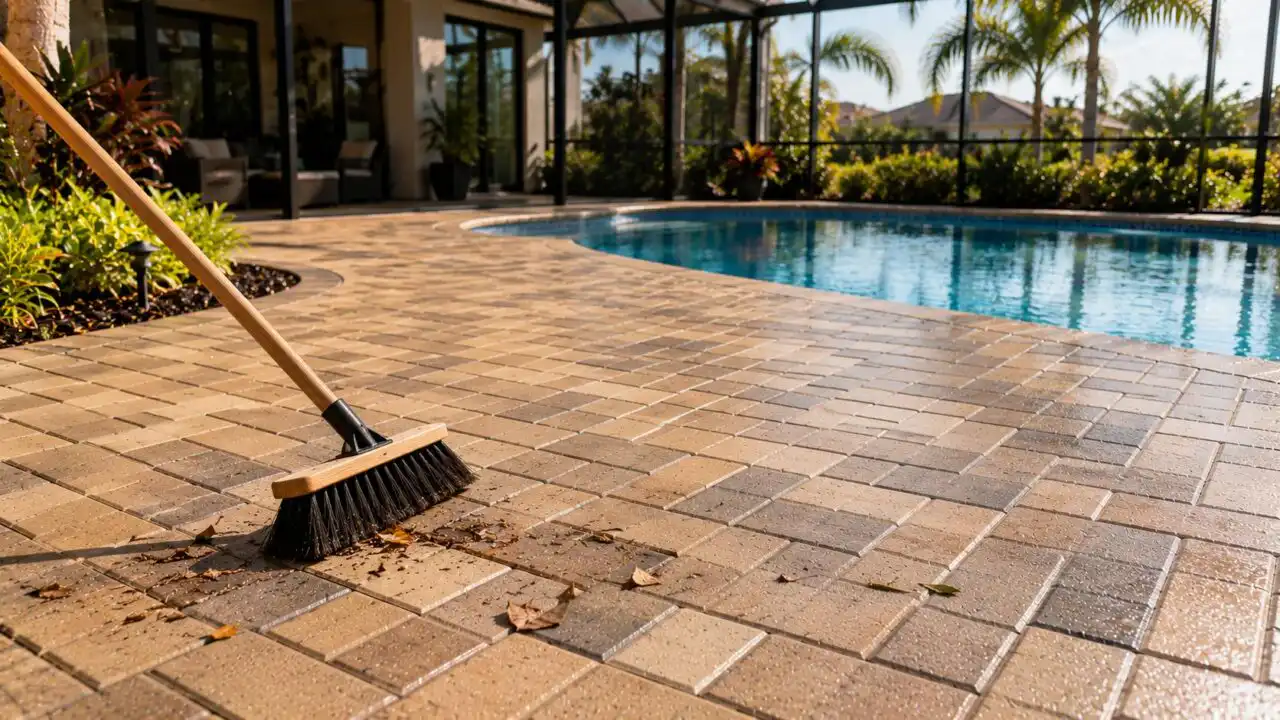
A professional seal does most of the heavy lifting to keep your pavers looking great, but a little regular upkeep in between services makes that finish last even longer. The good news is that maintaining sealed pavers is simple, and knowing how to clean sealed pavers the right way is most of the battle.
Here is a straightforward routine that protects your seal, keeps the surface safe and attractive, and helps you get the full life out of every sealing job.
How to Clean Sealed Pavers
For everyday cleaning, keep it gentle. A diluted chlorine or bleach solution, a stiff brush, and low pressure water from a garden hose will handle dirt, mildew, and most grime without harming the sealer or the joint sand. Apply the diluted solution, let it sit briefly, scrub with the brush, and rinse with low pressure. Done as needed, that simple routine keeps sealed pavers looking fresh between professional services.
It is worth repeating the one thing to avoid: never use a pressure washer on sealed pavers. High pressure strips the sealer and blasts out the joint sand that holds everything together, which undoes the protection you paid for. Low pressure and a brush are all you ever need for routine cleaning.
At Wet Seal Paver Solutions, our team has spent years protecting paver surfaces across the Tampa Bay area.
Simple Habits That Protect Your Seal
The easiest maintenance is also the easiest to overlook. Sweeping leaves, grass clippings, and dirt off your pavers keeps organic material from settling into the joints, where it feeds mold, mildew, and weeds. A quick sweep and a low pressure rinse every week or two goes a long way, especially under trees or near landscaping.
A few small habits add up, too. Keep heavy furniture on protective pads so it does not grind into the finish, rinse off pool chemicals and fertilizer rather than letting them sit, and redirect downspouts or sprinklers that pour water across the same spot, since constant runoff washes sand out of the joints over time. None of it takes much effort, but together these habits help your professional seal go the distance.
Stay Ahead of Mold, Mildew, and Stains
Florida humidity makes mold and mildew a constant battle, and sealed pavers are not immune. When you see green or black starting to appear, treat it early with a diluted chlorine solution and a brush before it spreads and digs into the joints. Catching it early keeps a quick touch up from turning into a bigger restoration problem.
Stains are the same story: the faster you act, the better your odds. Rinse off fertilizer, blot up oil, and clean food or drink spills promptly. Some stains, like oil and certain rusts, may only lighten rather than disappear, but quick action always gives you the best result. Avoid harsh, abrasive scrubbing that could wear down the sealer while you work.
Prevention beats cleanup every time. Trimming back plants that constantly drop debris, keeping sprinklers from soaking the same spot, and rinsing the pavers after heavy pollen or yard work all cut down on the organic material that mold and weeds feed on. The less buildup the pavers collect between washes, the less scrubbing they will ever need, and the longer the sealer underneath stays intact.
Watch the Joint Sand and Know When to Reseal
Healthy joints are what keep your pavers stable, so keep an eye on the sand. If you notice it sitting low or washing out after heavy rain, that is a sign the seal is wearing and the pavers may be due for service. Done right, the sand sits about 1/8 to 1/4 inch below the beveled edge of the paver, low enough to lock everything in place without spilling over the surface. Topping the joints back to that height is part of a professional reseal, which makes washed out sand one of the clearest signals it is time to call rather than attempt a DIY fix.
Regular upkeep extends the life of your seal, but it does not replace it. When the color starts to fade, water no longer beads, or sand keeps disappearing, the protective layer is wearing thin. Most Florida pavers need a professional reseal about every two years, and staying on that rhythm is what keeps the maintenance easy in between.
It helps to do a quick seasonal check, too. Each spring, give the pavers a thorough but gentle wash to clear off the buildup from the cooler months, and through the summer rainy season keep an eye out for mold and treat any spots early before the heat and moisture let them spread. Heading into the drier stretch, look over the joint sand and the overall finish so you know whether a reseal belongs on the calendar. A few minutes each season is usually all it takes to tell whether the seal is still doing its job.
For a deeper clean than routine upkeep, a professional pressure washing can safely refresh the surface before resealing.
Where Maintenance Ends and the Pros Begin
Routine cleaning is something any homeowner can handle, but cleaning, re-sanding, and resealing in the right order is a job for professionals. When your pavers need more than a gentle wash, the surface and the protection both have to be restored properly, which is why it is important to hire a professional for the heavy work. It is the kind of restoration our paver sealing service handles.
Ready for a fresh seal, or not sure what your pavers need? Call us at 813-809-4440 or request a free estimate for a professional assessment.